
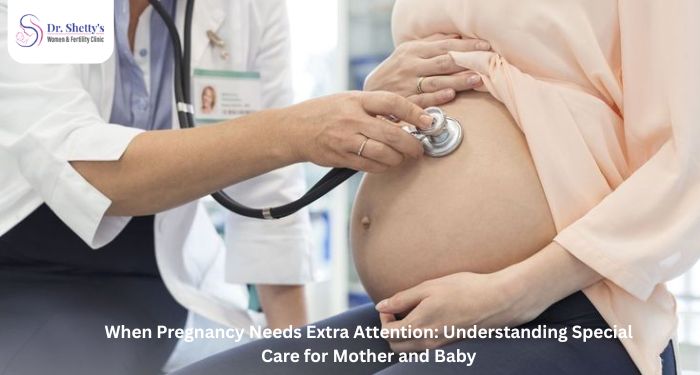
Pregnancy is a beautiful journey, but for some women, it requires closer monitoring and specialized medical attention. Certain health conditions, previous pregnancy complications, or pregnancy-related concerns can increase the risk of complications for both mother and baby. In such situations, timely medical care and regular monitoring become essential to ensure a safe and healthy pregnancy.
High-Risk Pregnancy Care in Pune focuses on identifying potential risks early and providing personalized treatment plans to support both maternal and fetal health throughout pregnancy.
What Is a High-Risk Pregnancy?
A pregnancy is considered high-risk when there is an increased chance of health problems affecting the mother, baby, or both. This does not mean complications will definitely occur, but it does require additional monitoring and expert medical care.
With proper management, many women with high-risk pregnancies go on to deliver healthy babies.
Common Factors That Can Lead to a High-Risk Pregnancy
Maternal Age
Women below 18 years or above 35 years of age may face a higher risk of pregnancy-related complications.
Multiple Pregnancies
Carrying twins, triplets, or more increases the likelihood of premature birth and other complications.
High Blood Pressure
Hypertension during pregnancy can affect blood flow to the baby and increase the risk of preeclampsia.
Diabetes
Pre-existing diabetes or gestational diabetes requires careful monitoring to protect both mother and baby.
Thyroid Disorders
Untreated thyroid conditions can affect fetal growth and pregnancy outcomes.
Previous Pregnancy Complications
Women with a history of miscarriage, preterm delivery, stillbirth, or cesarean section may require specialized care.
Obesity
Excess weight can increase the risk of gestational diabetes, hypertension, and delivery complications.
Autoimmune Disorders
Conditions such as lupus or antiphospholipid syndrome can increase pregnancy risks and require close supervision.
Warning Signs That Need Immediate Medical Attention
During pregnancy, contact your gynecologist immediately if you experience:
• Severe abdominal pain
• Vaginal bleeding
• Sudden swelling of hands, feet, or face
• Persistent severe headaches
• Blurred vision
• Reduced fetal movements
• High fever
• Difficulty breathing
Early intervention can prevent serious complications.
Importance of Regular Antenatal Check-Ups
Routine prenatal visits help monitor both maternal and fetal health.
These appointments allow doctors to:
• Track baby’s growth
• Monitor blood pressure
• Screen for gestational diabetes
• Detect pregnancy complications early
• Assess fetal well-being
• Provide nutritional guidance
Regular follow-ups are especially important in high-risk pregnancies.
Tests Commonly Recommended
Depending on the mother’s condition, doctors may suggest:
• Blood tests
• Ultrasound scans
• Fetal growth monitoring
• Doppler studies
• Non-Stress Tests (NST)
• Blood sugar testing
• Thyroid function tests
These investigations help ensure timely diagnosis and management.
How High-Risk Pregnancy Care Helps
Specialized care focuses on minimizing risks and supporting healthy pregnancy outcomes through:
• Personalized treatment plans
• Frequent monitoring
• Lifestyle and dietary guidance
• Medication management
• Early identification of complications
• Delivery planning
The goal is to protect both mother and baby throughout the pregnancy journey.
Healthy Habits for a Safer Pregnancy
Women with high-risk pregnancies should:
• Attend all scheduled appointments
• Take prescribed medications regularly
• Follow a balanced diet
• Stay hydrated
• Avoid smoking and alcohol
• Get adequate rest
• Monitor blood pressure and blood sugar if advised
• Report unusual symptoms immediately
Conclusion
A high-risk pregnancy can feel overwhelming, but with expert medical supervision and timely intervention, many women experience successful pregnancies and healthy deliveries. Early diagnosis, regular monitoring, and personalized care play a crucial role in reducing complications and ensuring the best possible outcomes for both mother and baby.
If you have concerns about your pregnancy or have been identified as having risk factors, seeking expert High-Risk Pregnancy Care in Pune can provide the support and guidance needed for a safer pregnancy journey.
FAQs
1. What is a high-risk pregnancy?
A high-risk pregnancy is one where the mother, baby, or both have a greater chance of developing complications and require closer medical monitoring.
2. Who needs high-risk pregnancy care?
Women with diabetes, high blood pressure, thyroid disorders, multiple pregnancies, previous miscarriages, or pregnancy complications may require specialized care.
3. Can a high-risk pregnancy result in a healthy baby?
Yes. With proper medical supervision and timely treatment, many women with high-risk pregnancies deliver healthy babies.
4. How often should I visit my doctor during a high-risk pregnancy?
The frequency depends on your condition, but high-risk pregnancies usually require more frequent prenatal visits than routine pregnancies.