
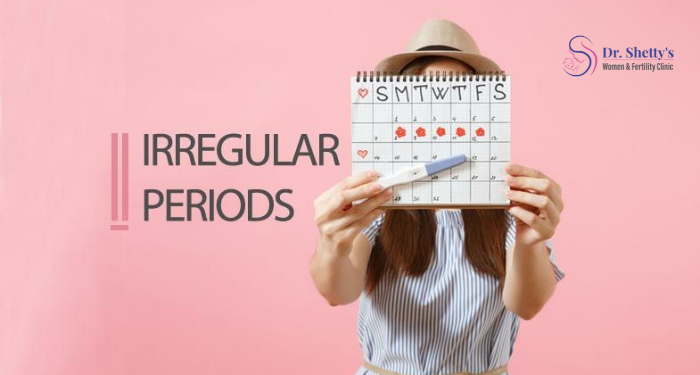
A regular menstrual cycle is an important part of women’s reproductive health. However, many women experience irregular periods at different stages of life. Sometimes periods may arrive earlier or later than expected, while in other cases, women may experience missed periods, unusually heavy bleeding, or shorter menstrual cycles.
Occasional changes in the menstrual cycle can happen due to lifestyle changes or hormonal fluctuations. However, frequently irregular periods should not be ignored. Understanding the causes and seeking timely medical advice can help identify underlying health concerns. Consulting a Best Gynecologist in Pune can help women understand their menstrual health and receive appropriate care.
What Are Irregular Periods?
A menstrual cycle is counted from the first day of one period to the first day of the next. In adults, a typical menstrual cycle usually lasts between 21 and 35 days.
Periods may be considered irregular when the cycle length frequently changes, periods are missed, or bleeding becomes unusually heavy or light. The pattern may vary from woman to woman, depending on age, hormones, and overall health.
Common Causes of Irregular Periods
Several factors can affect the menstrual cycle. Some of the most common causes include:
1. Hormonal Imbalance
Hormones such as oestrogen and progesterone regulate the menstrual cycle. Changes in their levels can affect ovulation and lead to delayed, missed, or irregular periods.
2. Polycystic Ovary Syndrome (PCOS)
PCOS is a common hormonal condition that can cause irregular periods, acne, unwanted facial hair, and difficulty with ovulation. Women experiencing these symptoms should consider a medical evaluation.
3. Stress and Anxiety
Excessive physical or emotional stress can affect the hormones responsible for regulating menstruation. This may result in delayed or missed periods.
4. Thyroid Problems
Both an underactive and overactive thyroid can interfere with menstrual cycles. Women with thyroid disorders may experience irregular, heavy, or lighter periods.
5. Sudden Weight Changes
Rapid weight gain, significant weight loss, or excessive exercise can affect hormone production and disrupt regular menstruation.
6. Lifestyle and Dietary Habits
Poor nutrition, insufficient sleep, and unhealthy lifestyle habits may contribute to hormonal changes and menstrual irregularities.
7. Perimenopause
As women approach menopause, hormonal levels naturally fluctuate. This can cause changes in cycle length, bleeding patterns, and period frequency.
When Should You Consult a Gynecologist?
Occasional changes in periods may not always indicate a serious problem. However, medical consultation is important if you experience:
- Frequently missed or unpredictable periods.
- Periods occurring less than 21 days or more than 35 days apart.
- Very heavy menstrual bleeding.
- Severe abdominal or pelvic pain.
- Bleeding between periods.
- Periods stopping for three months or more when you are not pregnant.
- Irregular periods along with acne, excessive facial hair, or unexplained weight changes.
If you experience sudden severe pelvic pain, fainting, or very heavy bleeding, seek urgent medical attention.
Consulting a Best Gynecologist in Pune can help identify the underlying cause through appropriate examinations and investigations.
How Are Irregular Periods Diagnosed and Treated?
Treatment depends on the cause, age, symptoms, and reproductive health goals of the individual.
A gynecologist may recommend:
- Blood tests to evaluate hormone and thyroid levels.
- Ultrasound examination to assess the uterus and ovaries.
- Pregnancy testing when required.
- Lifestyle changes, including balanced nutrition and regular physical activity.
- Medication or hormonal treatment when medically appropriate.
Keeping a menstrual calendar or using a period-tracking application can also help identify changes in your cycle.
Tips to Maintain a Healthy Menstrual Cycle
A few healthy habits can support overall hormonal and reproductive health:
- Eat a balanced and nutritious diet.
- Maintain a healthy body weight.
- Exercise regularly without overexertion.
- Get sufficient sleep.
- Manage stress through relaxation activities.
- Avoid self-medication for menstrual problems.
- Schedule regular gynaecological check-ups.
FAQs
1. Is it normal to have irregular periods occasionally?
Yes. Occasional changes may occur due to stress, illness, travel, or hormonal fluctuations. However, repeated irregularities should be evaluated.
2. Can PCOS cause irregular periods?
Yes. PCOS can interfere with ovulation and cause delayed, missed, or unpredictable periods.
3. Can stress delay menstrual periods?
Yes. Physical and emotional stress can affect hormonal regulation and delay ovulation, resulting in delayed periods.
4. When should I worry about irregular periods?
Consult a gynecologist if periods are frequently unpredictable, unusually heavy, very painful, or absent for three months or more.
5. Can thyroid problems affect menstrual cycles?
Yes. Both hypothyroidism and hyperthyroidism can affect menstrual regularity and bleeding patterns.
6. Can irregular periods affect fertility?
Irregular periods may indicate inconsistent ovulation, which can make conception more difficult. However, many women with irregular cycles can conceive with appropriate evaluation and treatment.
Conclusion
Irregular periods can occur due to several reasons, including hormonal imbalance, PCOS, thyroid disorders, stress, and lifestyle changes. Understanding your menstrual cycle and recognising unusual symptoms are important steps towards maintaining reproductive health. Do not ignore persistent menstrual irregularities. Consult a Best Gynecologist in Pune for proper evaluation, guidance, and personalised treatment.