
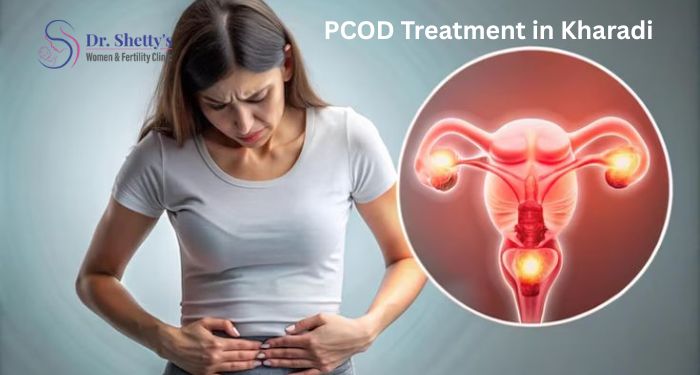
Polycystic Ovarian Disease (PCOD) is one of the most common hormonal disorders affecting women today, especially in the reproductive age group. It not only impacts menstrual cycles but also affects overall health, fertility, and lifestyle. If you are experiencing irregular periods or hormonal imbalance, seeking expert Menstrual Disorder Treatment in Kharadi can help manage the condition effectively.
What is PCOD?
PCOD is a condition in which the ovaries produce immature or partially mature eggs, which turn into cysts over time. This leads to hormonal imbalance, causing irregular periods, weight gain, acne, and excessive hair growth.
It is often confused with PCOS (Polycystic Ovary Syndrome), but both conditions differ slightly in severity and impact. Early diagnosis and proper PCOD treatment in Kharadi can help prevent long-term complications.
Causes of PCOD
The exact cause of PCOD is not fully known, but several factors contribute to its development. One of the primary reasons is hormonal imbalance, where there is an increase in male hormones (androgens) in the body.
Lifestyle factors such as unhealthy eating habits, lack of physical activity, stress, and obesity also play a major role. Genetics is another contributing factor, as women with a family history of PCOD are more likely to develop the condition.
Insulin resistance is also commonly associated with PCOD, where the body does not use insulin effectively, leading to increased blood sugar levels and hormonal imbalance. Consulting a specialist for Menstrual Disorder Treatment in Kharadi helps in identifying the root cause and managing it properly.
Symptoms of PCOD
PCOD symptoms can vary from person to person. The most common symptom is irregular or missed periods. Some women may experience heavy bleeding, while others may have very light or infrequent cycles.
Other symptoms include weight gain, especially around the abdomen, acne, oily skin, and excessive hair growth on the face or body. Hair thinning or hair loss is also seen in some cases.
Difficulty in conceiving is another major concern associated with PCOD. If you notice these symptoms, it is important to consult a gynecologist for proper irregular periods treatment in Kharadi.
How PCOD Affects Menstrual Health
PCOD directly impacts the menstrual cycle due to hormonal imbalance. Ovulation may not occur regularly, leading to delayed or missed periods. Over time, this can affect fertility and overall reproductive health.
Ignoring these issues can lead to complications such as endometrial problems, diabetes, and heart-related conditions. This is why timely Menstrual Disorder Treatment in Kharadi is essential for long-term health.
Diagnosis of PCOD
Diagnosis usually involves a combination of medical history, physical examination, and tests. Doctors may recommend blood tests to check hormone levels and ultrasound scans to detect cysts in the ovaries.
Early diagnosis helps in better management and prevents complications. Regular check-ups with a gynecologist in Kharadi ensure proper monitoring of the condition.
PCOD Treatment in Kharadi
PCOD treatment focuses on managing symptoms and improving overall health. There is no one-size-fits-all approach, and treatment plans are customized based on individual needs.
Medications may be prescribed to regulate menstrual cycles, control hormones, and improve ovulation. In some cases, insulin-sensitizing drugs are recommended to manage blood sugar levels.
Lifestyle modification is a key part of treatment. A healthy diet, regular exercise, and stress management can significantly improve symptoms. Choosing expert Menstrual Disorder Treatment in Kharadi ensures a holistic approach to care.
Lifestyle Changes for Managing PCOD
Adopting a healthy lifestyle can make a huge difference in managing PCOD. Eating a balanced diet rich in fruits, vegetables, whole grains, and lean proteins helps maintain hormonal balance.
Regular physical activity, such as walking, yoga, or gym workouts, helps in weight management and improves insulin sensitivity. Stress management techniques like meditation and proper sleep are equally important.
Avoiding processed foods, sugary drinks, and excessive caffeine can also help in controlling symptoms.
When to See a Doctor?
You should consult a doctor if you experience irregular periods, sudden weight gain, acne, or difficulty in conceiving. Early intervention with proper Menstrual Disorder Treatment in Kharadi can prevent complications and improve quality of life.
Regular follow-ups are important to track progress and make necessary adjustments in the treatment plan.
Conclusion
PCOD is a manageable condition with the right approach and medical support. Understanding its causes and symptoms is the first step towards effective management.
If you are facing menstrual irregularities or hormonal issues, do not ignore them. Seek expert Menstrual Disorder Treatment in Kharadi to restore balance, improve health, and lead a confident life.
FAQs
1. Can PCOD be cured permanently?
PCOD cannot be completely cured, but it can be effectively managed with proper treatment and lifestyle changes.
2. Is PCOD the same as PCOS?
No, PCOD and PCOS are different conditions, though they share similar symptoms. PCOS is generally more severe.
3. How can I regulate my periods naturally?
Maintaining a healthy diet, regular exercise, and managing stress can help regulate menstrual cycles naturally.
4. Can PCOD affect fertility?
Yes, PCOD can affect ovulation and make it difficult to conceive, but proper treatment can improve fertility.
5. Where can I get the best menstrual disorder treatment in Kharadi?
You can consult an experienced gynecologist in Kharadi who offers personalized PCOD treatment and hormonal care.